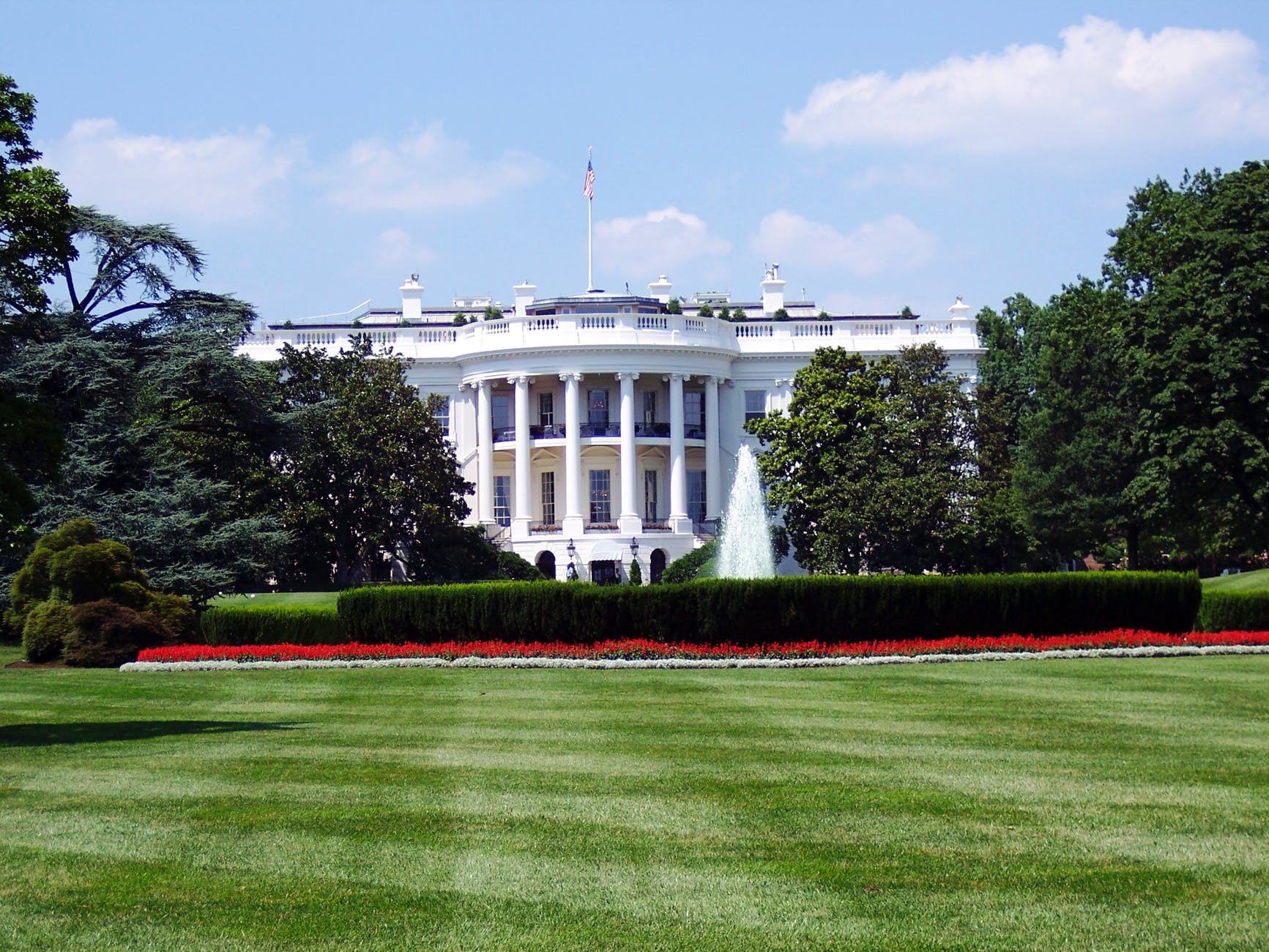
In recent years the need and demand for state transparency has grown and as technologies and the digital media keep developing, it becomes easier to achieve it. With the help of digital media, states can now make information accessible to the public but it also makes it possible for organisations such as Wikileaks to expose the government’s abuse of power and people with authority. However, it is highly controversial whether state transparency is a good idea or not.
The positives of state transparency are quite significant and are strongly advocated. It is argued that transparency leads to accountability, which “can reduce corruption, bribery, regulatory capture, and other forms of governmental misbehaviour, and in that sense governmental transparency is simply a form of transparency as regulation” (Schauer, 2011). Furthermore, “open availability of information will facilitate the identification of truth (and falsity) and consequently produce more knowledge and greater progress” (Schauer, 2011). That is why an open government can be considered as an essential part of democratic society.
On the contrary, David Frum (2014) critics the disclosure in an Atlantic article, stating that transparency reforms “have weakened political authority [and] instead of yielding more accountability, these reforms have yielded more lobbying, more expense, more delay, and more indecision”. Additionally, several points regarding privacy concerns have been made in an article by Teresa Scassa (2014). For instance, the clashing between achieving further transparency and protecting the personal information of identifiable individuals, which can be problematic.
All in all, while it is true that state transparency can have some very beneficial outcomes for society through regulating the state’s actions and enforcing accountability, there are also quite a few critiques and negative consequences that come with the openness in government.
References:
Frum, D., (2014) The Transparency Trap, [online], The Atlantic, [Viewed 27 April 2019]. Available from: https://www.theatlantic.com/magazine/archive/2014/09/the-transparency-trap/375074/
Scassa, T., (2014). Privacy and Open Government, [online], Future Internet, [Viewed 27 April 2019]. Available from: https://www.mdpi.com/1999-5903/6/2/397
Schauer, F., (2011). Transparency in Three Dimensions, [online], University of Illinois Law Review, 1339–1358, [Viewed 27 April 2019]. Available from: http://illinoislawreview.org/wp-content/ilr-content/articles/2011/4/Schauer.pdf
 Anastasia Voynishka